
What Is Hardscaping? Definition, Benefits, Costs & 2026 Design Ideas
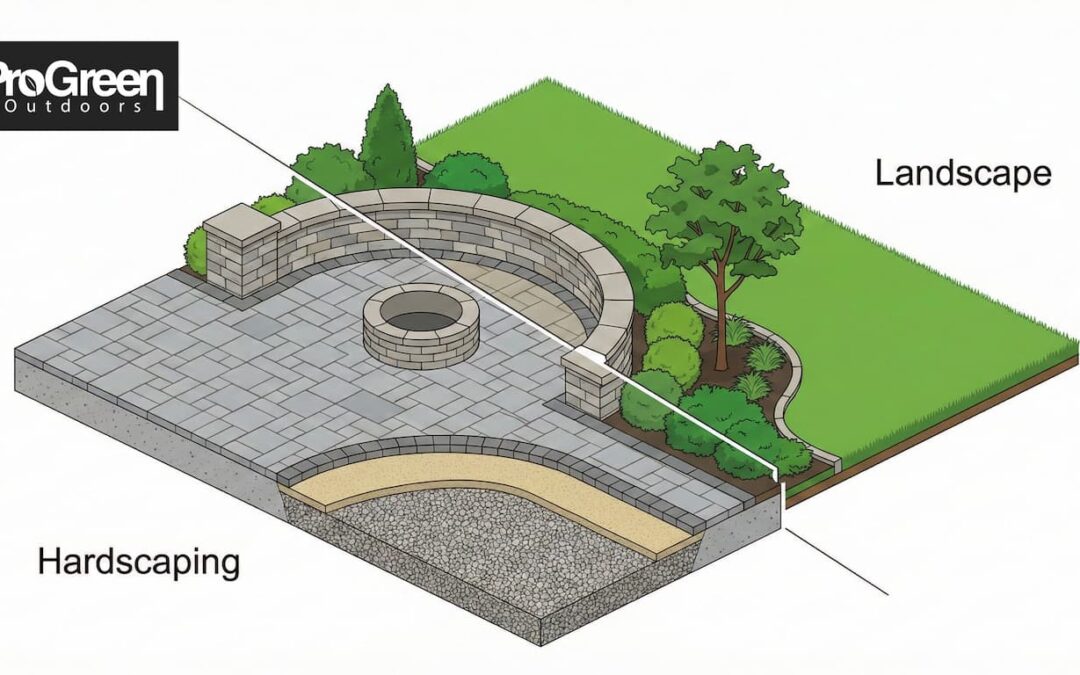
Hardscaping is the use of permanent, non-living elements like patios, walkways, retaining walls, decks, and fire pits to shape and enhance your outdoor space.
It forms the sturdy backbone of your landscape, creating functional living areas that blend beauty with practicality. From adding curb appeal to increasing property value, hardscaping transforms ordinary yards into inviting, multi-dimensional retreats.
Whether you want a serene garden path or a full outdoor kitchen, understanding hardscaping is key to designing an outdoor oasis that lasts and delights year-round.
Key Takeaways
- Hardscaping refers to all non-living, built features in your outdoor space—patios, walkways, retaining walls, decks, fences, fire pits, water features, and outdoor kitchens.
- Most homeowners in 2025–2026 spend between $5,000 and $18,000 on hardscaping projects and typically recover 50–100% of that investment at resale.
- Core benefits include low maintenance requirements, added living space, improved drainage and erosion control, and up to a 20% boost in curb appeal and property value.
- Hardscape materials range from budget-friendly gravel and concrete ($5–$15 per sq ft) to premium natural stone ($15–$50+ per sq ft), with lifespans from 10 years to over a century.
- Mixing hardscaping with plants (softscaping) creates the most attractive, functional, and sustainable landscape design.
What Is Hardscaping? (Quick Answer)
Hardscaping means all the permanent, non-living elements in your yard or garden. This includes patios, walkways, driveways, retaining walls, steps, decks, pergolas, fences, outdoor kitchens, fire pits, and water features. If it’s made from stone, concrete, brick, wood, metal, or composite materials and it stays put year-round, it’s considered hardscaping.
The term hardscape also refers to the process of designing and building these structures. In professional landscape construction, hardscaping typically happens first—contractors handle grading, drainage, walls, and paved surfaces before any plants go into the ground. This sequence makes sense because hardscape elements form the structural backbone of your yard.
Hardscaping contrasts with softscaping, which includes all the living things: grass, trees, flowers, shrubs, and groundcovers. Think of hardscape as the bones of your landscape and softscape as the skin and muscle that bring it to life.
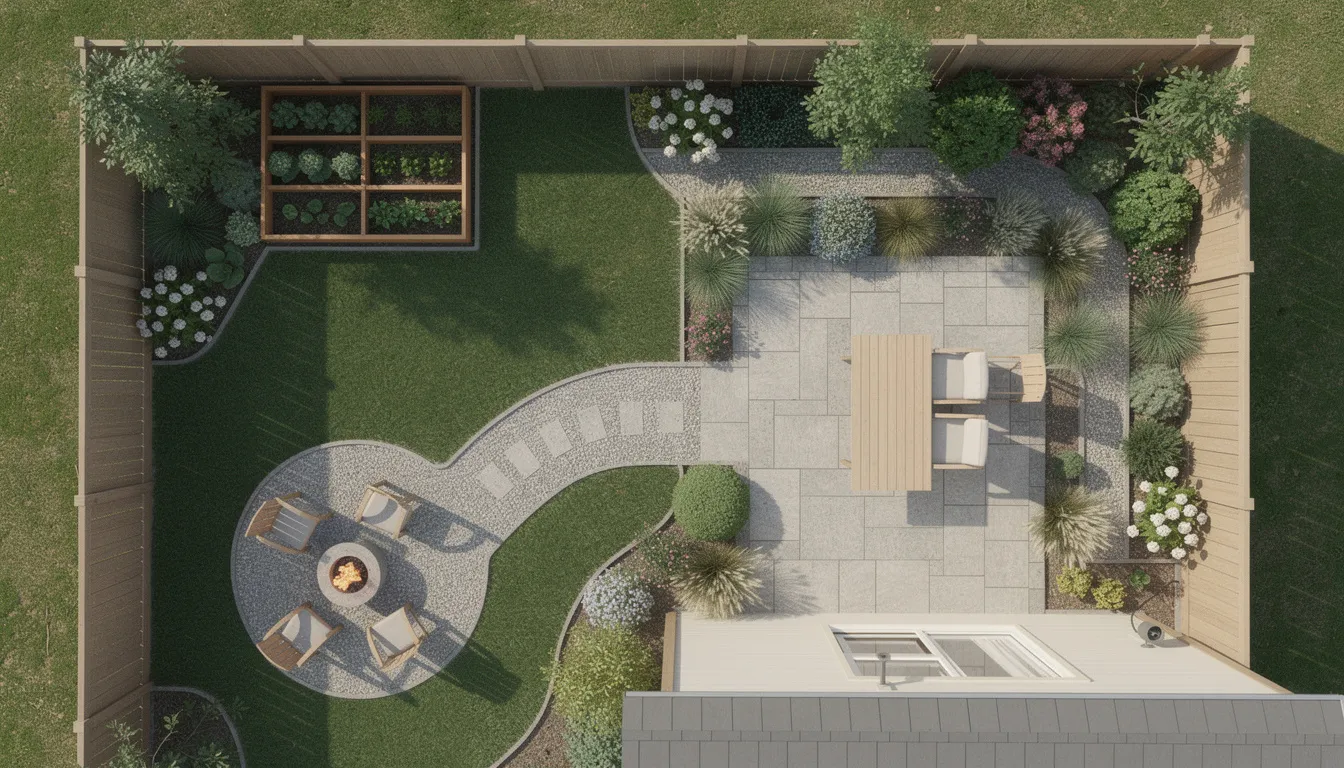
A typical hardscaped backyard in 2026 might include a 400 square foot paver patio for dining and lounging, a low retaining wall creating a raised planting bed, a permeable gravel path leading to a firepit area, and a small fountain serving as a natural focal point. This combination creates functional outdoor living space while managing water runoff and providing visual appeal throughout every season.
Hardscaping vs. Softscaping and Landscaping
Understanding these three terms helps you communicate clearly with contractors and plan your property improvements effectively. Here’s how they differ:
- Hardscaping is the structural, non-living framework of a landscape. Materials include stone, concrete, brick, wood, metal, composite, porcelain, and gravel. These elements create solid structure, define spaces, and manage grade changes.
- Softscaping covers all living material in your yard: lawn, perennials, annuals, shrubs, ornamental grasses, trees, and groundcovers. Softscape elements change with seasons, require ongoing care, and eventually need replacement.
- Landscaping is the overall design and care of outdoor space that combines both hardscape and softscape for beauty, function, and ecology. When someone says they’re “landscaping” their yard, they typically mean the complete package.
Here’s how hardscaping and landscaping work together in practice:
- Stone retaining wall + planted terrace with perennial flowers
- Paver walkway + colorful flower borders on each side
- Wooden deck + container plants and climbing vines
- Gravel courtyard + surrounding shrubs and ornamental trees
Professional landscape design always considers hardscape first. Contractors establish grading, install walls, pour or lay patios, and solve drainage problems before filling in with softscape elements around the permanent features. This approach prevents damage to plants during construction and ensures proper integration between man made structures and growing softscape areas.
Common Hardscaping Elements Around a Home
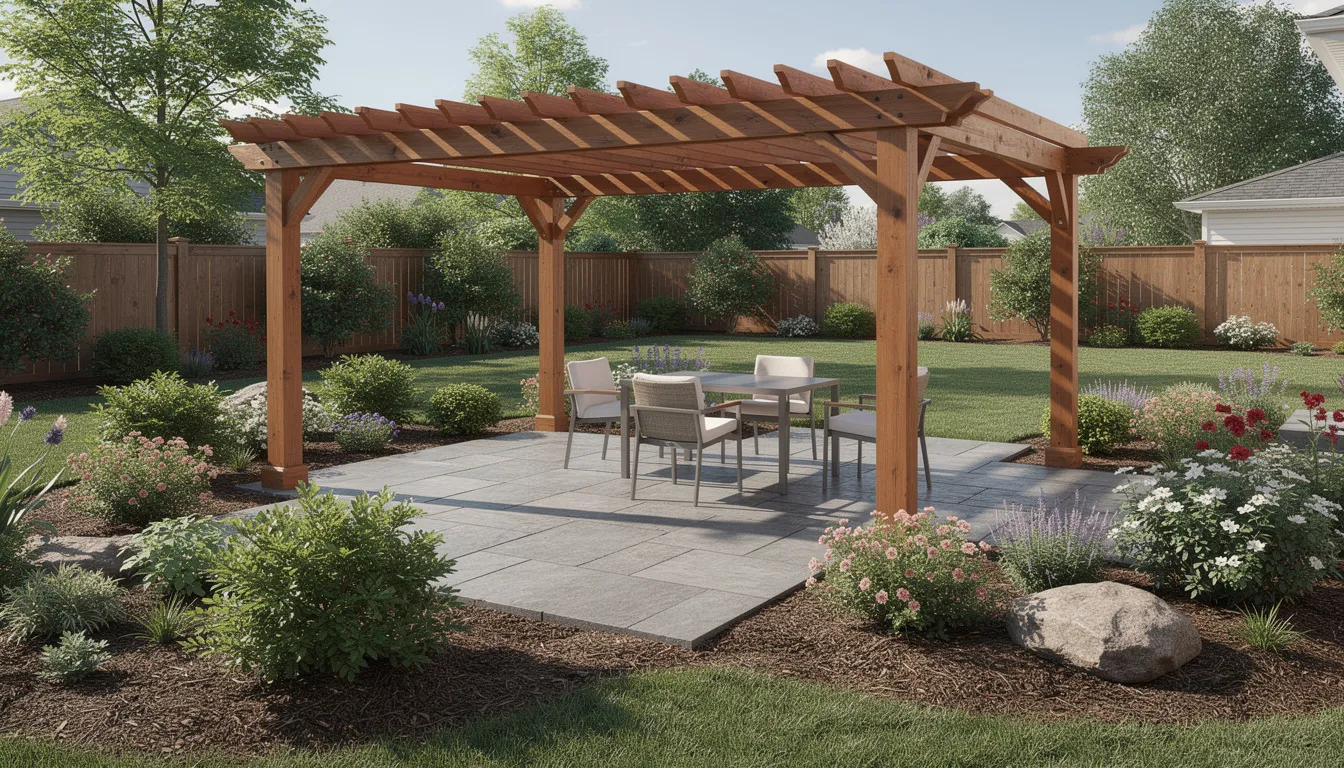
Hardscaping ranges from simple stepping stone paths to complete outdoor living rooms with kitchens and fireplaces. Here are the main hardscape features you’ll find around residential properties:
Patios and Courtyards
Patios typically range from 200 to 600 square feet and serve as the primary outdoor area for dining, lounging, and entertaining. Common materials include concrete pavers, poured concrete, clay bricks, natural stone, and porcelain tiles. A well-designed patio functions as an extension of your indoor living space.
Walkways and Paths
These connect your driveway to your front door, link the back door to the garden, and guide visitors through your property. Options include formal paver or brick walks with straight lines, casual stepping stones set in gravel or lawn, and gravel paths bordered by edging. The car path from street to garage is often the largest single hardscape investment.
Driveways
As a major hardscape item, driveways impact curb appeal immediately. Material choices include asphalt (most economical), poured concrete, concrete or clay pavers, and permeable systems that allow water to drain through. A quality driveway creates the first impression of your property.
Retaining Walls and Garden Walls
These load bearing walls hold back slopes, prevent dirt and water runoff, create level terraces on hillsides, and define raised planting beds. Seat walls at 18–20 inches high double as informal seating. Retaining wall types include gravity walls (using mass to resist soil pressure), cantilever walls (reinforced concrete), and mechanically stabilized earth walls with geogrid reinforcement for taller applications.
Vertical and Overhead Structures
Decks extend living space off upper floors or over uneven terrain. Pergolas, gazebos, and pavilions provide shade and architectural interest. These structures transform unused yard into functional rooms.
Boundary and Privacy Features
Fences (wood, vinyl, metal), screens, masonry walls, and gates serve both practical and decorative purposes. They define property lines, create privacy, block wind, and contribute to your home’s hardscaping character.
Outdoor Living Features
Fire pits, fireplaces, built-in seating, outdoor kitchens, bars, and grilling stations rank among the most requested design features in 2025–2026. These elements create a relaxing oasis for entertaining and extend the usable season in many climates.
Decorative and Water Features
Fountains, ponds, waterfalls, boulders, statues, metal art, and decorative planters serve as visual focal points. Water features add peaceful ambience through sound and movement, transforming an ordinary garden into something memorable.
Hardscaping Materials & How They Perform
Choosing the right hardscaping materials depends on your climate, budget, and design style. Here’s what you need to know about each major category:
Concrete Pavers
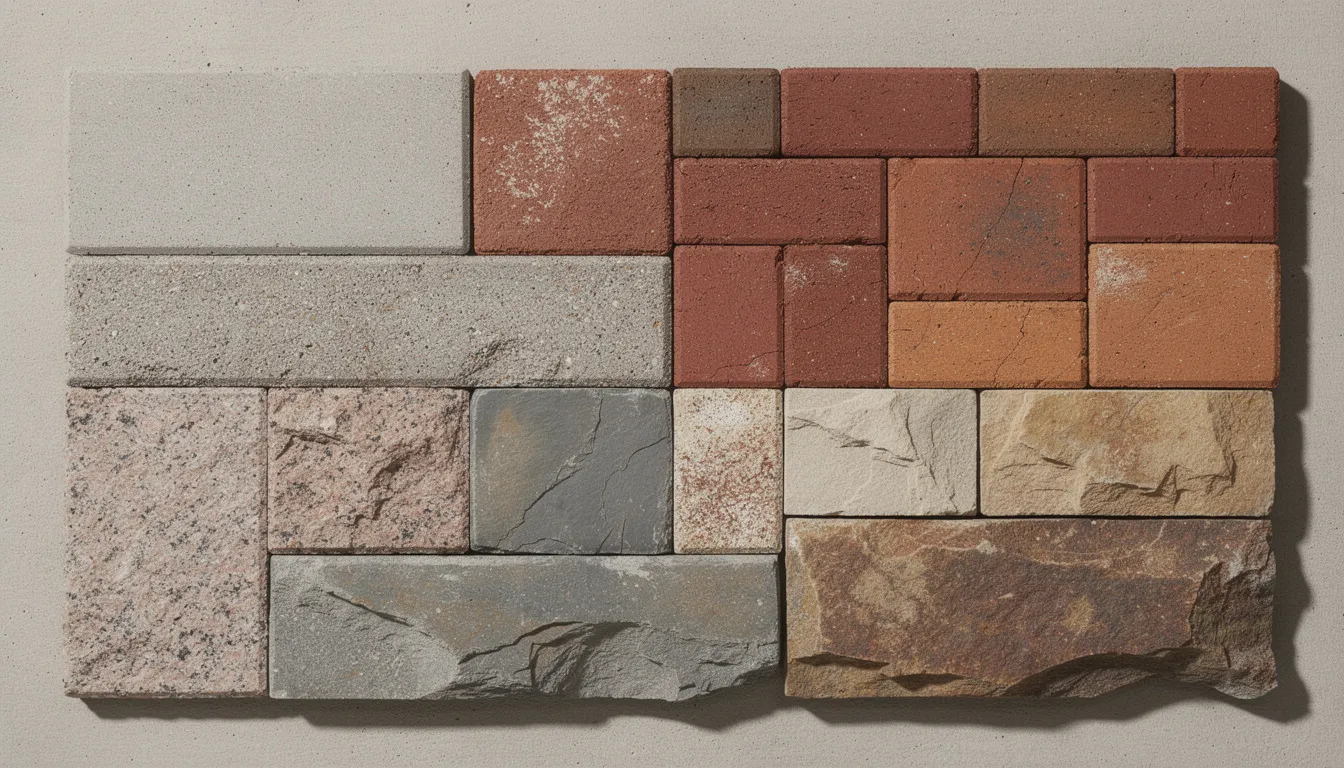
These modular units are a 2026 favorite for patios and walkways. Lifespan runs 25–50+ years when properly installed. Installed costs typically range from $5–$25 per square foot depending on pattern complexity and site conditions. Pavers come in countless colors, textures, and shapes—from classic rectangular units to large-format slabs. Individual pavers can be lifted and replaced if damaged, making repairs straightforward.
Natural Stone
Options include granite, bluestone, limestone, sandstone, slate, and travertine. These inanimate materials offer 50–100+ year lifespans and timeless visual appeal. Installed costs run $15–$50+ per square foot. Natural stone works beautifully in both traditional and contemporary settings but requires careful selection for your climate—some limestones and sandstones are too porous for freeze-thaw regions.
Clay Brick Pavers
Clay bricks offer 50–100+ year durability with material costs of $4–$10 per square foot. The through-body color never fades because it comes from fired clay, not surface pigments. Brick pavers suit historic homes, cottage-style gardens, and traditional streetscapes. They’re slightly more labor-intensive to install due to minor size variations.
Poured Concrete
Slabs last roughly 25–30 years and work well for driveways and large patios where budget matters. Pros include relatively low cost and smooth, continuous surfaces. Cons include cracking over time and difficult, disruptive repairs—you can’t just replace one section without visible patching.
Wood and Composite Decking
Pressure-treated wood decks may last 10–20 years with regular sealing and staining. Composite materials can last 25+ years with minimal maintenance beyond cleaning. Wood provides warmth underfoot and works well on slopes where patio excavation would be expensive. However, wood is vulnerable to rot, insects, and UV damage in ways that stone and concrete are not.
Gravel and Crushed Stone
These are economical, quick-to-install options for paths, seating areas, and driveways. Material costs are among the lowest of any hardscape surface. Install weed control fabric beneath and metal or stone edging around the perimeter to keep gravel contained. Downsides include difficulty for wheelchairs and strollers, weed growth over time, and the need for periodic regrading.
Porcelain Pavers
A growing 2026 trend for sleek, modern patios and rooftop terraces. These 20mm+ thick tiles offer exceptional stain resistance, color stability, and freeze-thaw performance. They’re available in wood-look, stone-look, and contemporary patterns. Costs run moderate to high, but the precision sizing allows for tight joints and clean, modern aesthetics.
Permeable Pavers
These specialized pavers feature enlarged joints or porous surfaces that let rainwater soak through to a gravel reservoir below. Benefits include reduced stormwater runoff (EPA data shows 25–100% reduction depending on design), groundwater recharge, and pollutant filtration. Many municipalities now offer incentives or require permeable surfaces for new construction.
Benefits of Hardscaping for Your Home
Quality hardscaping delivers practical advantages that go far beyond aesthetics. Here’s what a well-designed hardscape project adds to your property:
Increased Usable Living Space
Hardscape patios, decks, and seating areas function like extra rooms for cooking, dining, and entertaining. A 400 square foot patio effectively adds another living room to your home—one you can use from spring through fall in most climates, and year-round in warmer regions. An outdoor kitchen can extend living space even further, creating a complete cooking and entertaining zone.
Low Ongoing Maintenance
Compared with lawns and plant-heavy landscapes, hardscaping requires minimal care. Realistic tasks include sweeping or blowing debris weekly, hosing off surfaces a few times per season, and resealing every 2–3 years if you choose to seal. You won’t spend weekends mowing, fertilizing, or replacing dead plant life.
Improved Water Management and Erosion Control
Properly designed hardscaping solves drainage problems rather than creating them. Sloped patios direct water away from foundations. Retaining walls prevent hillside erosion, effectively damming soil movement. French drains channel subsurface water. Permeable pavers filter rainwater and reduce storm runoff. These features protect your home’s structural integrity and prevent washouts.
Sustainability Benefits
Modern hardscaping can be surprisingly eco-friendly. Long-lasting materials reduce replacement waste. Permeable paving filters pollutants and recharges groundwater. Hardscape areas reduce irrigation needs compared with thirsty lawns. Strategic placement of patios and walls can integrate with native planting to create sustainable outdoor features that require minimal inputs.
Aesthetics and Design Flexibility
Hardscaping allows you to layer patterns, mix materials (stone, wood, metal), add lighting, and create focal points that look good year-round. Unlike softscape elements that go dormant in winter, stone steps, brick walkways, and timber pergolas maintain their attractive yard appearance through every season.
Property Value and ROI
Industry data consistently shows quality hardscaping recovers 50–100% of project costs at resale. Outdoor kitchens in desirable markets sometimes achieve 100–200% ROI. Well-designed patios, decks, and living spaces can boost overall property value by up to 20% through improved curb appeal and functional square footage.
Accessibility and Safety
Smooth paver surfaces beat muddy lawn for mobility. Stone steps with railings make slopes navigable. Proper lighting extends evening use and prevents trips. These features make your outdoor area usable for household members of all ages and abilities.
Costs: How Much Does Hardscaping Typically Cost?
Hardscaping costs vary significantly based on region, materials, site conditions, and project complexity. Here’s what current data shows:
Overall Project Ranges
- Typical project cost: $5,000–$18,000
- National average: Around $9,000
- Per square foot: $5–$25 installed for most patio and walkway projects
- Labor portion: 40–60% of total cost
- Skilled crew rates: $50–$100 per hour
Example Project Costs
| Project | Approximate Cost Range |
|---|---|
| 300 sq ft paver patio | $4,500–$7,500 |
| 20 linear ft retaining wall (2–3 ft tall) with steps | $3,000–$6,000 |
| Small firepit area with seating wall | $2,500–$5,000 |
| 50 ft gravel path with edging | $500–$1,500 |
| Basic outdoor kitchen | $5,000–$15,000+ |
Regional Variation
Coastal metro areas and high cost-of-living regions typically see project totals at the upper end of ranges. Interior and southern markets often fall closer to average or below. Some datasets show median hardscaping projects ranging from $3,900 in lower-cost regions to $7,550+ in premium markets.
Getting Accurate Quotes
Request at least 2–3 itemized quotes from different contractors. Ask specifically about:
- Base preparation depth and materials
- Drainage solutions included
- Edge restraints and joint materials
- Warranty terms on labor and materials
- Timeline and payment schedule
Comparing line items rather than just bottom-line totals helps you understand what each contractor actually includes.
Hardscaping and Your Climate
Materials and installation methods that work perfectly in Arizona may fail in Minnesota. Climate-specific design matters:
Cold Climates (Freeze-Thaw Regions)
In New England, the Upper Midwest, and Canada, frost heave is the primary enemy. Projects require:
- Deep, compacted granular base (often 8–12+ inches below the frost line)
- Frost-resistant materials rated for freeze-thaw cycles
- Proper drainage to prevent water from pooling and freezing beneath surfaces
Retaining walls in wet or snowy climates need crushed stone backfill, footing drains, and weep holes to relieve water pressure that builds up behind the wall.
Hot, Sunny Climates
In the Southwest and South, heat buildup and UV damage are primary concerns:
- Light-colored pavers and stones reflect heat and stay cooler underfoot
- UV-resistant sealers prevent color fading
- Shade structures over seating areas make spaces usable during peak sun
Wet and Coastal Climates
Moisture and salt air require special attention:
- Slip-resistant surface textures prevent accidents on wet pavers
- Excellent drainage design prevents standing water
- Corrosion-resistant metals (stainless steel, aluminum, hot-dipped galvanized) for railings, fasteners, and hardware
Wind and Storm Considerations
In hurricane zones and high-wind areas:
- Secure pergolas and shade structures with proper footings
- Use anchored furniture pads
- Follow local building codes for structure foundations
When comparing bids, ask each contractor what climate-specific steps they take. Base depth, reinforcement methods, and drainage details separate quality installations from those that fail within a few years.
Planning Your Hardscaping Project
Successful projects start with thoughtful planning before anyone orders materials. Here’s how to approach your hardscaping project:
Define Your Goals
Start by listing how you want to use the space:
- Seating for 6–8 people for outdoor dining
- Space for a grill or full outdoor kitchen
- Play area for children
- Vegetable beds or raised planters
- Dog-friendly surfaces that clean easily
- Fire feature for evening gatherings
Measure and Sketch
Walk your yard with a tape measure and create a rough sketch showing:
- Doors, windows, and sight lines from inside
- Existing trees and shrubs you want to keep
- Utility locations (gas, electric, water, sewer)
- Slopes and drainage patterns
- Property lines and setback requirements
Set a Realistic Budget
Based on your goals and current cost data, establish a budget range. Add a 10–15% contingency for surprises like hidden roots, poor soil conditions, or necessary drainage upgrades. Unexpected issues surface on most projects.
Prioritize Foundational Work
Focus first on elements that affect everything else:
- Drainage solutions
- Retaining walls and grade changes
- Main patio and primary access paths
- Then decorative items and furnishings
Check Permits and Codes
Many hardscape projects require permits:
- Retaining walls over a certain height (often 4 feet)
- Decks and raised structures
- Fences in many municipalities
- Gas or electric connections for outdoor kitchens and fire features
Gather Inspiration
Collect photos, material samples, and pattern ideas before meeting with designers or contractors. Visual references communicate your preferences more clearly than verbal descriptions.
Consider Phased Installation
Most homeowners don’t complete everything at once. A typical phased approach:
- Phase 1: Patio and main connecting path
- Phase 2: Retaining walls and planting beds
- Phase 3: Outdoor kitchen, shade structure, or water feature
Phasing spreads costs over several seasons and lets you live with each addition before committing to the next.
Professional Installation vs. DIY
The right choice depends on project scope, your skill level, and how much risk you’re willing to accept.
When to Hire Professionals
Structural projects almost always require professional expertise:
- Large retaining walls (especially over 4 feet or on slopes)
- Multi-level patios with significant grade changes
- Driveways with proper sub-base and drainage
- Major drainage systems
- Gas or electrical connections for outdoor kitchens
Professional hardscape contractors bring engineering knowledge, proper equipment, and experience avoiding costly mistakes. Most offer warranties on labor (typically 1–5 years) and can source higher-quality materials than retail stores stock.
When DIY Can Work
Many homeowners successfully tackle smaller projects:
- Short stepping-stone paths through garden beds
- Simple gravel seating areas with edging
- Small raised beds with decorative block
- Low garden walls (check local height limits—often under 2–3 feet)
- Basic fire pit installations with pre-made kits
Critical Success Factors
Whether you hire pros or go DIY, proper base preparation determines success:
- 4–6 inches of compacted aggregate for pedestrian areas
- 8–12+ inches for driveways and heavy loads
- Correct slope for drainage (typically 1–2% away from structures)
- Edge restraints to prevent spreading
- Appropriate joint material (polymeric sand for wider joints)
Mistakes in base preparation cause settling, pooling, cracking, and premature failure. A patio that looks perfect for six months then develops low spots and weeds often had inadequate base work.
Honest Self-Assessment
Before committing to larger DIY projects, consider:
- Do you have the physical ability to lift heavy pavers and blocks repeatedly?
- Do you own or can you rent compaction equipment, saws, and levels?
- Are you willing to research proper techniques thoroughly?
- Can you accept the project taking 3–5 times longer than a professional crew?
Customer satisfaction with DIY projects is highest when homeowners start small, learn from experience, and gradually take on larger jobs as skills develop.
Basic Hardscape Care and Maintenance
Hardscaping is generally low-maintenance but not maintenance-free. Regular care prevents small issues from becoming expensive repairs.
Routine Cleaning
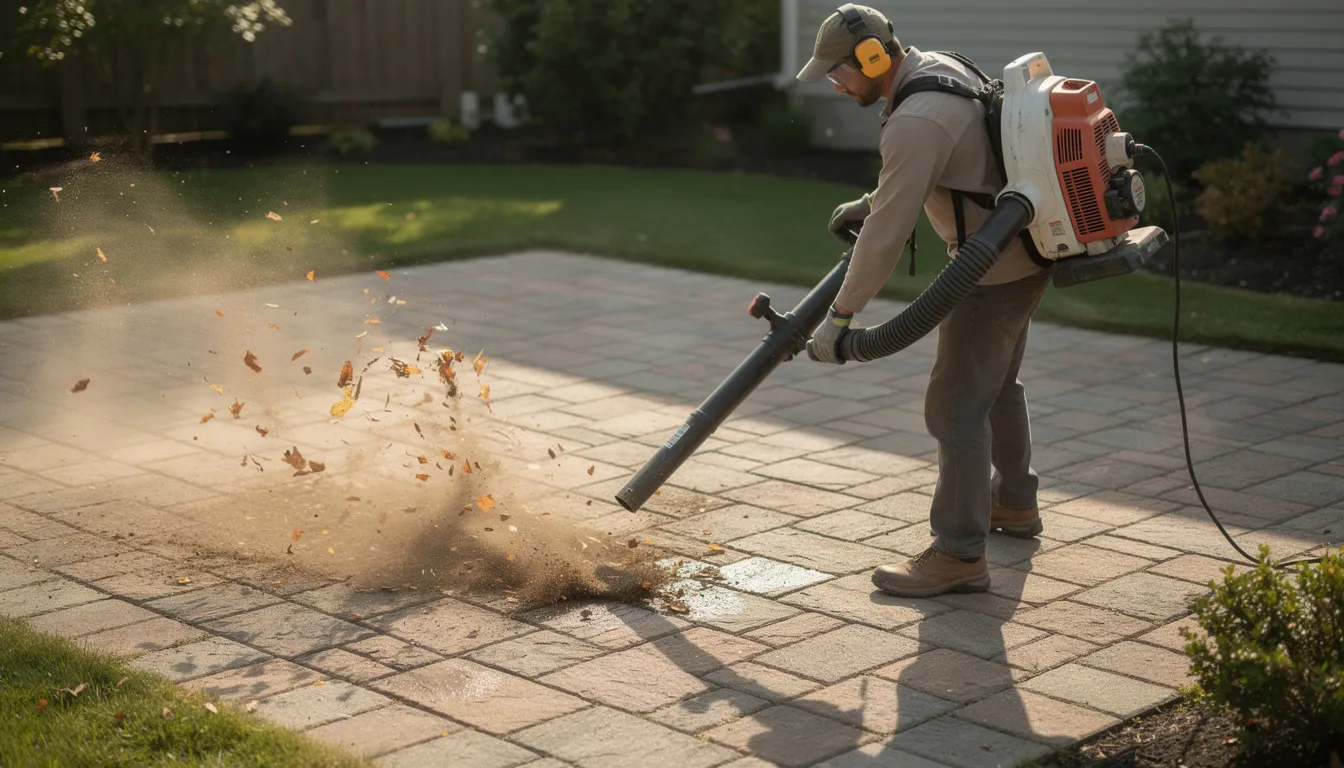
- Sweep or blow debris weekly, especially in fall when leaves accumulate
- Hose off surfaces or use a pressure washer on appropriate settings a few times per season
- Address stains (oil, rust, organic matter) promptly before they set
Joint and Weed Control
- Polymeric sand in paver joints reduces weed growth and resists washout
- Spot-treat weeds or moss in damp, shaded areas before they spread
- Replenish joint sand if it settles or washes away over time
Sealing Schedules
- Concrete pavers: Every 2–3 years if you choose to seal (not always necessary)
- Poured concrete: Seal every 2–3 years to prevent staining and surface deterioration
- Natural stone: Use only breathable, manufacturer-recommended sealers; over-sealing traps moisture
Winter Care (Cold Climates)
- Use plastic shovels on pavers to avoid scratching or chipping
- Avoid harsh de-icing salts on vulnerable materials (use sand or calcium-based products)
- Clear snow promptly to reduce freeze-thaw stress
Annual Inspection
Walk your hardscape each spring looking for:
- Movement, settling, or heaving
- Cracks in concrete or mortar joints
- Loose stones or pavers
- Drainage issues or standing water
Address minor problems early before they become major repairs. Resetting a few shifted pavers costs far less than replacing an entire section.
Documentation
Keep records of:
- Material names and suppliers (for matching in future repairs)
- Contractor contact information
- Warranty terms and expiration dates
- Maintenance performed and dates
Final Thoughts
Hardscaping is an essential component of any well-designed outdoor space, providing structure, functionality, and lasting beauty.
By thoughtfully combining hardscape elements like patios, walkways, retaining walls, and outdoor kitchens with softscape features such as plants and trees, you can create a harmonious and inviting environment that enhances your property’s value and usability.
Whether you choose to undertake a DIY project or hire professionals, careful planning and quality materials are key to ensuring your hardscaping stands the test of time.
Embrace the possibilities hardscaping offers to transform your yard into a relaxing oasis that you and your family can enjoy year-round.
Frequently Asked Questions About Hardscaping
How long does typical hardscaping last?
Lifespan varies dramatically by material. Concrete pavers typically last 25–50+ years. Natural stone like granite and bluestone can last 50–100+ years. Clay bricks often exceed 50 years. Wood decks range from 10–20 years depending on species and maintenance, while composite decking can last 25+ years. Gravel surfaces need replenishment every 10–20 years to maintain appearance and function.
When is the best time of year to install hardscaping?
In most regions, spring and fall offer ideal conditions—moderate temperatures help with material handling and compaction, and the ground isn’t frozen or saturated. Summer works in many areas but can be uncomfortable for crews and may stress newly planted softscape elements installed alongside hardscaping. Winter installation is possible in mild climates but typically pauses in freeze-prone regions.
Can hardscaping help with a chronically wet or sloped yard?
Absolutely. Proper grading directs surface water away from structures. French drains channel subsurface water. Retaining walls create usable terraces on hillsides while managing water runoff. Permeable pavers allow water to infiltrate rather than pool. A combination of these elements can transform an unusable muddy slope into functional outdoor space.
Is hardscaping bad for the environment?
Traditional impervious surfaces can contribute to stormwater runoff and urban heat. However, eco-friendly options exist: permeable pavers reduce runoff by 25–100% and filter pollutants; light-colored materials reduce heat absorption; locally-sourced stone minimizes transportation impacts; and thoughtful design integrates hardscape with native plants to create sustainable, low-input landscapes.
How do I know if a hardscape quote is fair?
Compare detailed line items across 2–3 quotes rather than just total prices. Check references and online reviews for each contractor. Ask specifically about base depth, drainage provisions, edge restraints, and warranty terms. A quote that seems unusually low often skimps on base preparation or drainage—the hidden elements that determine long-term success. The cheapest bid rarely delivers the best value.
What type of pool is best for South Carolina soil?
Fiberglass pools are popular for SC’s varied terrain and soil conditions due to their durability and quicker installation time. Vinyl liner pools are a good economical option for uneven or rocky yards.
How long does pool installation typically take in Columbia, SC?
Most pool installations take 8 to 12 weeks, though fiberglass pools install faster in 4 to 6 weeks. Weather and permit timing can affect these estimates.
What local building codes should I know?
SC mandates a 5-foot safety fence around in-ground pools, electrical work must comply with NEC, and permits are required, often 7 to 21 days to approve off-peak but up to 6 weeks in busy seasons.
Are there eco-friendly pool options?
Yes, solar pool heaters and efficient LED lighting reduce energy use. Native landscaping around your pool also lowers water requirements and chemical runoff.
How much can I save by installing off-season?
You could save 10-20% on installation costs by building in fall or winter, translating to $5,000-$10,000 on a typical project.
How can I extend my swim season?
Pool heaters (gas, electric heat pump, solar) and enclosures/covers can keep your pool warm and clean, extending use beyond the natural 7-8 month season in SC.