

An outdoor kitchen is a game changer and can transform your backyard into a welcoming spot for cooking and dining with loved ones. In Columbia, SC, homeowners are investing in spaces that blend good looks with practical features designed to last.
Knowing how to design an outdoor kitchen means balancing style, smart materials, and an efficient layout. When planned well, it becomes a versatile extension of your home where you can easily entertain or unwind.
In this post, get ready as we discuss how to bring your outdoor kitchen to life and invite everyone to stay a little longer.
Smart Planning Considerations
Before you jump into building, taking time to plan carefully will help you avoid surprises and create an outdoor kitchen that’s both beautiful and practical. How do you get this done?
Set a Realistic Budget and Stick to It
Your budget lays the groundwork for a successful outdoor kitchen. Depending on your vision, costs can range widely. A simple setup can cost around $5,000, while a luxury space can reach as high as $50,000.
Breaking down your expenses can help you focus on what matters most: about 40 to 50% goes toward appliances, roughly 30 to 35% for countertops and cabinets, and the rest covers prep space, flooring, lighting, and any special touches.
Sticking to this approach will keep your project on track without surprise costs.
Plan For Regulations and Practical Logistics
Another important consideration is the local rules. Permits, zoning laws, and inspections can vary in Columbia, SC, and you want to avoid costly delays or having to redo work down the line.
Connecting with your city’s building department early on will help you understand what’s required, whether that’s permits for gas lines, electrical work, or structural changes.
Determine Your Kitchen’s Layout
A smooth cooking experience comes down to thoughtful design. Think of your kitchen in zones:
- There’s the hot area with your grill or smoker,
- A cold zone with the fridge or beverage center,
- A wet section with the sink and prep surfaces,
- And dry spots for countertops and storage.
Arranging these so people can move easily, with about three feet of space around busy areas, makes cooking outside feel natural and stress-free.
Location Matters
Where you place your outdoor kitchen impacts more than just convenience. Position it close enough to your indoor kitchen or dining area so serving is effortless.
At the same time, pick a spot sheltered from prevailing winds to keep smoke away from your guests.
Access to utilities like gas, water, and electricity is also key, since being near hookups can cut down installation costs and keep everything running smoothly.
Materials That Withstand the Elements
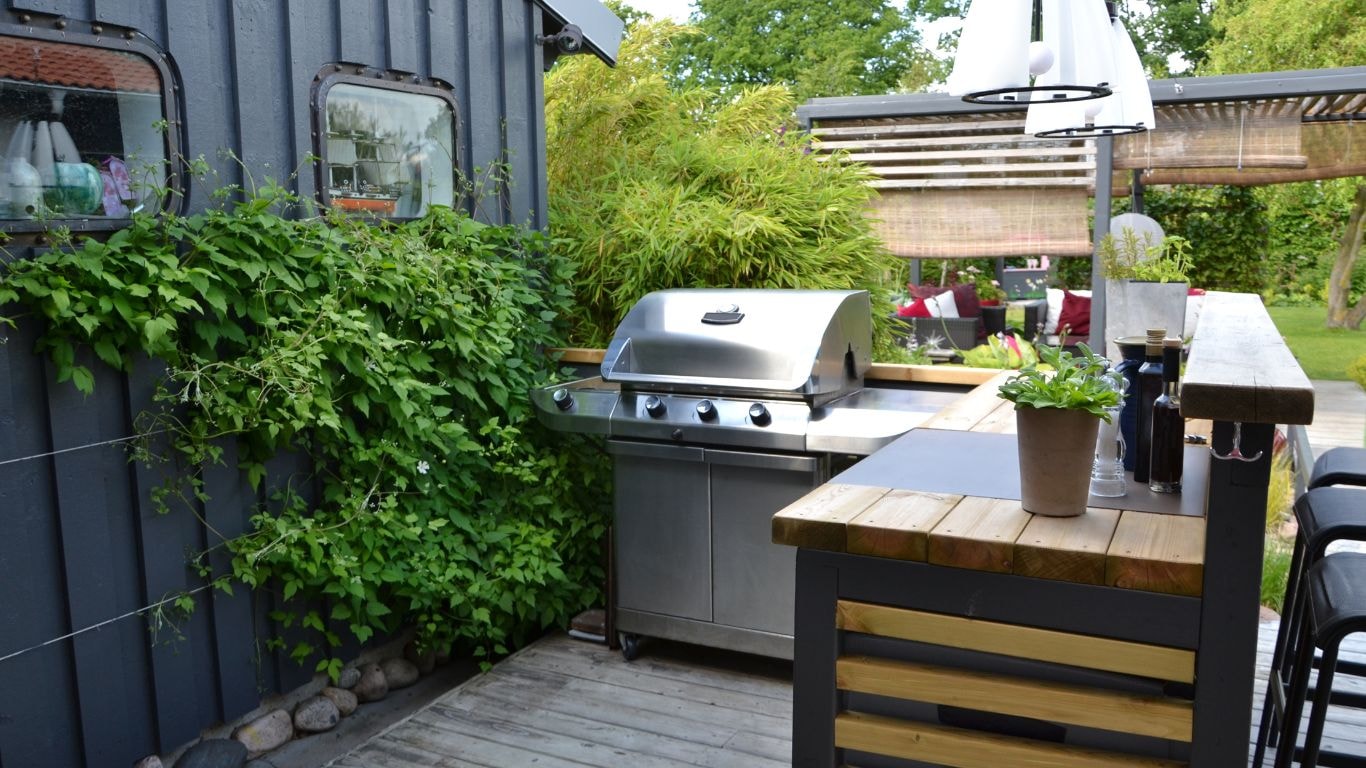
Choosing materials that can stand up to outdoor living is essential for a kitchen that lasts and looks great. Let’s break down the best options for each key area, along with their pros and cons.
Countertops:
Granite, concrete, and stainless steel are popular picks for good reason.
- Granite is stunning and heat-resistant but can be pricey and sometimes needs sealing to prevent stains.
- Concrete offers a modern, customizable look and stands up well to heat but may develop hairline cracks over time if not properly sealed.
- Stainless steel is super durable and easy to clean but can scratch and show fingerprints.
If you’re looking for alternatives, quartz specifically made for outdoor use is gaining popularity for its stain resistance, while tile countertops offer endless design options but require more upkeep.
Cabinetry:
Outdoors means moisture and pests, so materials need to be tough. Popular selections include:
- Treated wood: Brings natural warmth but requires regular sealing to resist rot.
- Aluminum resists: Rust and warping and is lightweight, though it can dent under impact.
- Composite materials: Blend durability with less maintenance but sometimes lack the authentic wood feel.
PVC or marine-grade polymers are also great moisture-resistant options, and are perfect if you want a wood look without the headache.
Flooring:
Your outdoor kitchen floor has to stay safe and attractive through rain, spills, and heavy foot traffic.
- Non-slip stone like slate or bluestone offers natural beauty and traction but can be uneven.
- Pavers are durable and visually appealing but loose pavers may shift over time.
- Porcelain tiles handle moisture well and come in many styles, although they can be slippery when wet unless textured.
Alternatives include stamped concrete for a seamless look and easy maintenance or outdoor-grade wood decking for warmth, though it needs frequent care.
Stone and Stainless Steel: A Proven Combo
Pairing stone countertops with stainless steel appliances is a favorite combo at Pro Green Outdoors, and it’s easy to see why. Stone gives your kitchen timeless style and stands strong against scratches and heat.
Stainless steel appliances hold up to the weather and need minimal fuss. If you want a balance between elegance and hardiness, this pairing is a winning choice.
Style and Design Elements
Think about how your outdoor kitchen fits with the rest of your home and backyard. You might choose to carry indoor design themes outside for a smooth flow, or create a fresh, distinctive look that celebrates the outdoors. Adding elements like islands, awnings, or pergolas can improve both usability and comfort.
Don’t forget lighting, as the right task lighting makes prep easier, while ambient lights set the mood for evening gatherings.
Finally, pick colors that harmonize with your home and landscape to tie it all together.
Smart Planning Considerations
Designing an outdoor kitchen that flows well and stands the test of time takes a combination of smart layout planning and regular upkeep.
To keep your space organized, consider the following:
Plan Your Layout for Seamless Workflow
Start by arranging key stations like the grill, sink, and refrigerator in a triangular pattern, often called the work triangle, to make moving between cooking, prepping, and chilling effortless.
Make sure you have at least two feet of countertop space on either side of your cooking appliances to give yourself room to prep and serve.
Placing the dining area nearby encourages easy interaction but keep it far enough to avoid smoke or heat drifting to your guests.
For smaller patios, U-shaped or L-shaped designs work wonders, while larger yards can handle islands or multi-zone kitchens for even more flexibility.
Think Ahead About Utilities
Don’t forget the practical side when planning your layout. Consider where you’ll connect gas, water, and electricity. Running gas lines over 20 to 30 feet can quickly increase costs, so positioning your grill close to the main line can save money.
Similarly, sinks and prep stations should be near plumbing access, and electrical outlets are essential for lighting, refrigeration, and small appliances.
Keep Your Kitchen Looking and Working Like New
After setting up the perfect space, ongoing care makes all the difference. After each use, wipe down stainless steel appliances to prevent grease buildup. Monthly cleanings of countertops, cabinets, and sinks keep stains and corrosion away.
Each season, apply weatherproofing treatments to wood and stone surfaces, protecting them from moisture and sun damage. Once a year, do a thorough inspection to catch any wear and tear early.
Also check for rust, loose fittings, cracks, or areas where sealant might need refreshing.
Cover your appliances when they’re not in use to shield them from dust and weather, and bring in removable items like cushions or portable heaters during storms or extreme temperatures to extend their lifespan.
Upgrades and Features That Make a Difference
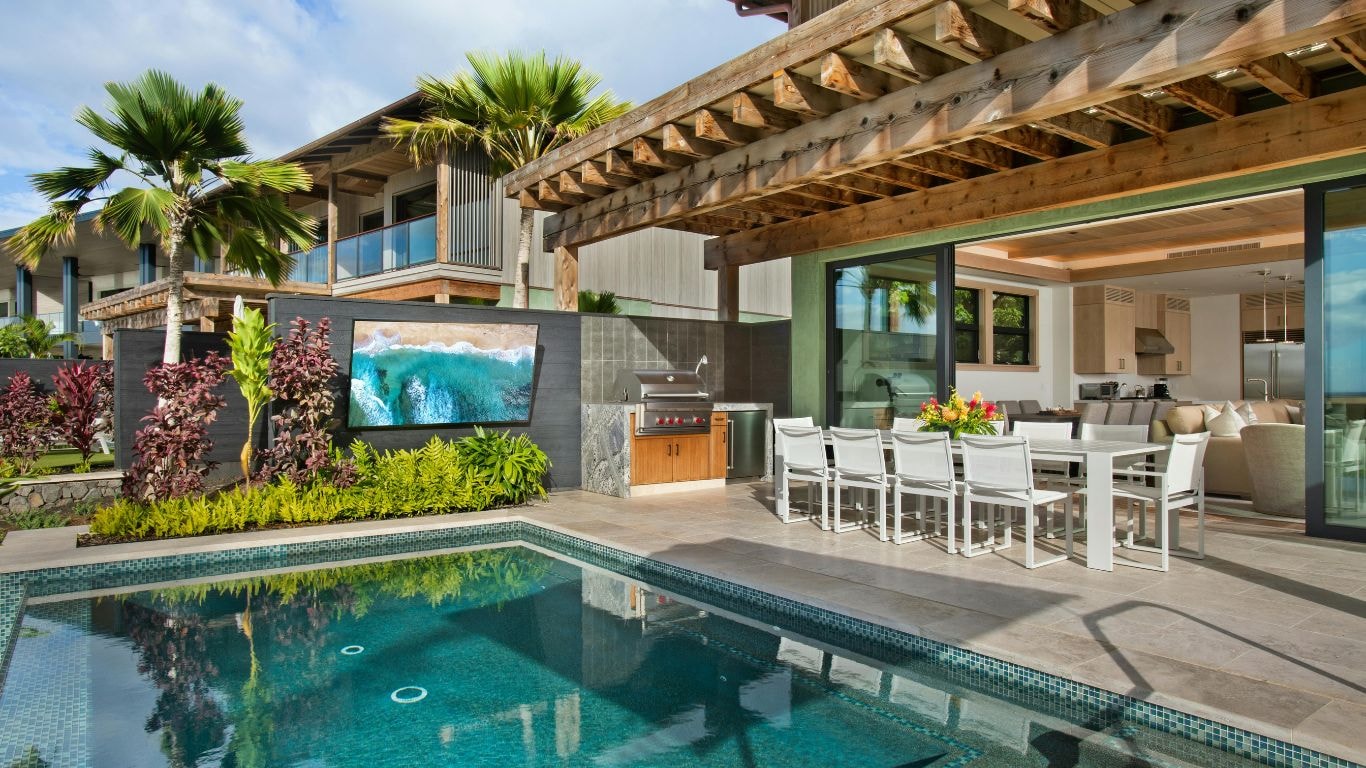
Adding thoughtful upgrades can turn your outdoor kitchen from simple to spectacular. Imagine including a fire pit or a pizza oven that becomes the heart of your gatherings, inviting everyone to linger longer.
Smart irrigation systems keep your surrounding landscaping looking fresh with less effort. Built-in seating or bar areas encourage conversation and make your space more welcoming.
Plus, weatherproof storage keeps your utensils and ingredients safe and handy, so nothing interrupts your flow.
While these features might raise your initial budget, they bring lasting value and make your outdoor space more enjoyable and flexible for all kinds of occasions.
Building Blocks of a Functional Outdoor Kitchen
A well-designed outdoor kitchen is not just grills and tables but a fully functional living space that brings convenience and style together. The following components are the foundation of a kitchen that works as beautifully as it looks.
Must-Have Essentials for Every Outdoor Kitchen
Think of these as the backbone of your design. Without them, your kitchen risks feeling incomplete or impractical:
- Grill (the heart of the kitchen): Choose between gas for convenience, charcoal for smoky flavor, or electric for compact setups.
- Sink with running water: Saves endless trips indoors for prep, rinsing, and cleanup.
- Countertops: Granite, concrete, and stainless steel remain the top picks for durability and easy maintenance.
- Cabinetry and storage: Keeps utensils and spices organized while protecting them from the elements.
- Appliances in stainless steel: Long-lasting, corrosion-resistant, and made to handle outdoor weather conditions.
When you take care of these key details, you’ll end up with a workspace that looks great and makes cooking outside a breeze.
Appliances and Features That Elevate Your Outdoor Kitchen
Once the basics are in place, it’s time to think about the extras that’s capable of taking your setup from zero to hundred.
Outdoor-Ready Appliances
Every appliance in your outdoor kitchen should be built for the elements:
- Refrigerator: Keeps drinks and ingredients close at hand.
- Ice maker: A must-have for entertaining on hot Columbia afternoons.
- Side burners: Perfect for sauces and side dishes while grilling.
Add-On Features for Lifestyle & Comfort
Adding these carefully chosen extras can take your outdoor kitchen from functional to fabulous, improving both comfort and entertainment.
- Pizza oven or smoker: Turn your outdoor space into a gourmet hub.
- Outdoor heater: Extends your kitchen’s use into fall and early winter.
- Built-in bar area: Creates a complete entertainment space for guests.
Here’s a tip from us at Pro Green Outdoors: Always check for energy efficiency when choosing appliances. Energy-efficient models save money long-term and make your kitchen easier to maintain.
Lighting and Electrical: The Often-Overlooked Game-Changer
The kind of lighting that you choose can either make or break your kitchen. Without the right light, you’re limited to daylight hours. With the right setup, your kitchen becomes an evening retreat.
Types of Outdoor Lighting to Include
- Overhead lighting: For general illumination.
- Task lighting: Bright, focused light for prep and cooking.
- Ambient lighting: Creates atmosphere for dining and socializing.
Electrical Considerations
- Outlets: Ensure enough outlets for blenders, small appliances, and charging stations.
- Power capacity: Double-check that your electrical system can handle refrigerators, lighting, and heating without tripping breakers.
- Energy-efficient fixtures: LED lighting reduces energy use and lowers bills.
Seating and Dining: Where Function Meets Hospitality
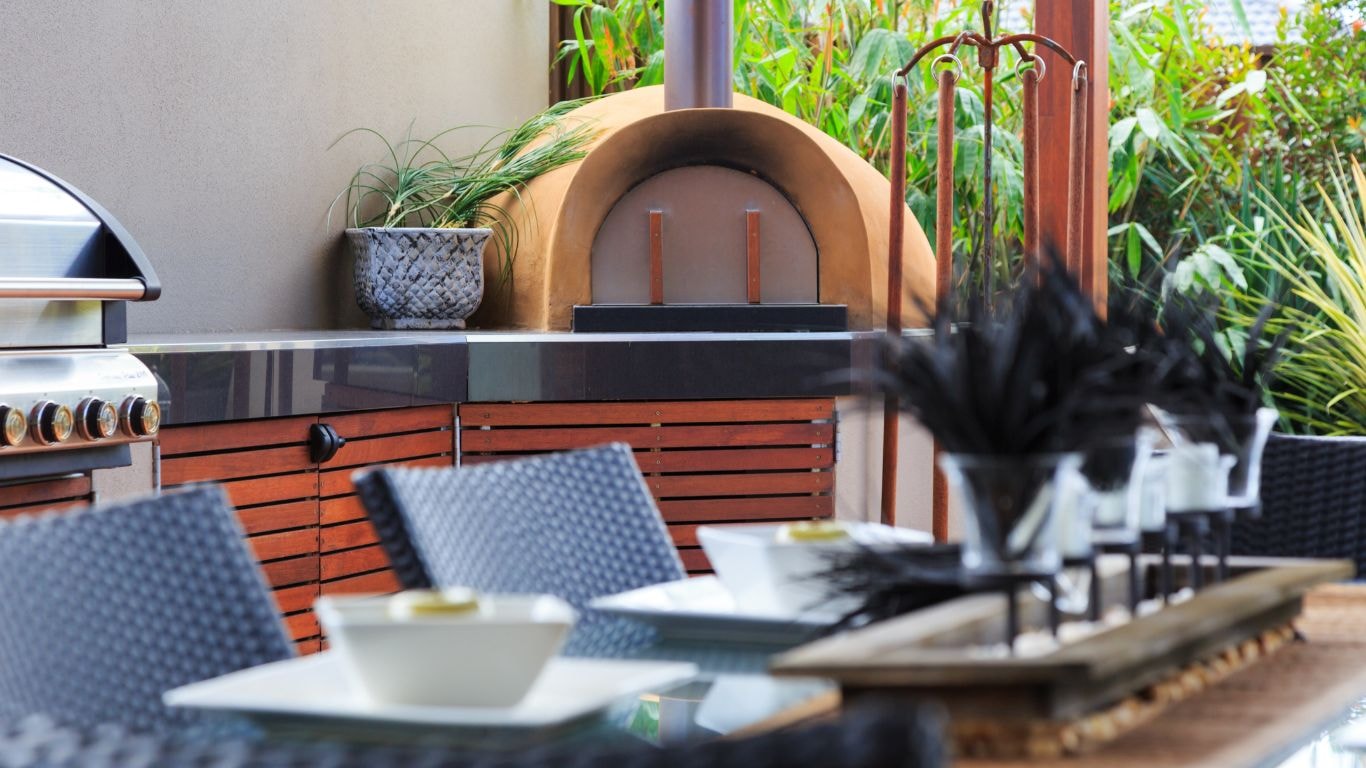
Cooking might be the star of your outdoor kitchen, but sharing the food and the moments makes it truly special. Thoughtfully arranged seating invites everyone to connect and enjoy the space together.
Comfortable & Durable Options
Up the comfort with the following:
- Dining table with chairs: Perfect for family-style meals.
- Bar seating: Keeps guests near the chef without crowding work zones.
- Benches or sectional seating: Maximizes space in smaller patios.
Extend the Season
Besides designing an outside pool, you can extend the season with the following
- Add a fire pit or outdoor heater to keep guests comfortable in cooler months.
- Position seating near, but not directly beside, cooking areas to avoid smoke and heat.
Conveniently placed dining areas encourage conversation while keeping the chef part of the fun.
Smart Storage and Organization Solutions
Clutter is the fastest way to make an outdoor kitchen feel chaotic. Storage keeps everything within reach and protected from the elements.
Best Practices for Outdoor Kitchen Storage
Clutter can quickly turn an inviting outdoor kitchen into a chaotic one, which is why having smart storage solutions is essential.
To start with, choosing weather-resistant cabinets made from aluminum, stainless steel, or durable polymers ensures your storage withstands moisture and sun exposure without losing its shape or function.
Next, incorporating drawers and shelves helps keep utensils, cutting boards, and spices neatly organized and within easy reach. For smaller items, baskets and bins offer flexible storage options that make it simple to stay tidy.
Adding extras like pull-out trash drawers or utensil organizers can keep your space looking clean and polished.
Put all of these together and you have a space that is perfect for guests and your cooking adventures.
Enhancing Efficiency Without Sacrificing Style
An outdoor kitchen should look good, but it should also work hard for you. The right upgrades save time and money while making your cooking experience smoother.
Smart Ways to Improve Efficiency
Some options to consider includes:
- Grill islands & cooking stations: Centralize prep, cooking, and serving to reduce unnecessary movement.
- Energy-efficient appliances & materials: Stainless steel, LED lighting, and ENERGY STAR-rated fridges lower long-term costs.
- Recycling & compost stations: Keep waste organized and eco-friendly while reducing trips indoors.
- Smart technology: Wi-Fi–enabled grills and kitchen apps help you monitor temperatures, track timers, and even order supplies.
Designing an Inviting Outdoor Living Space
Creating an inviting outdoor living space is more about crafting a backyard retreat where people feel comfortable and eager to gather.
One of the easiest ways to boost warmth and comfort is with fire features like fire pits or outdoor heaters, which help extend your time outside even when the temperatures drop.
To protect your guests from sun and light rain, incorporating shade elements such as pergolas, awnings, or canopies adds both practicality and style.
Think about landscaping too. Think plants and flowers to soften the space, adding natural beauty and a calming atmosphere that balances out the hard surfaces of your kitchen.
Finally, carefully chosen outdoor lighting and décor elements like string lights, lanterns, and LED accents set the mood and showcase your personal style.
Why Outdoor Kitchens Are Worth the Investment
Outdoor kitchens do more than just expand your cooking options—they redefine your living space.
Benefits of Adding an Outdoor Kitchen
The benefits of having an outdoor kitchen is almost innumerable. With an outdoor kitchen, hosting gatherings becomes easier and more enjoyable. Guests can relax nearby while you prepare meals, making entertaining feel effortless and social.
Plus, a well-designed outdoor kitchen can increase your property’s value, offering a strong return if you ever decide to sell.
Built with durable, outdoor-rated appliances like grills, pizza ovens, and beverage fridges, these kitchens are designed to stand up to the elements and serve you for years.
Final Thoughts
An outdoor kitchen brings together what matters most: ease of use, comfort, and style. With detailed planning and smart upgrades, your outdoor space becomes an inviting extension of your house where cooking and relaxing go hand in hand.
Why wait? Take the first step toward creating your perfect outdoor retreat today.
Frequently Asked Questions
Have questions? We have answers!
How Do You Design an Outdoor Kitchen Layout?
Start with the four key zones:
- Hot zone – grill, pizza oven, or smoker.
- Cold zone – refrigerator and beverage center.
- Wet zone – sink and prep surfaces.
- Dry zone – countertops, serving, and storage.
Maintain at least 36–48 inches of walking space between zones so multiple people can work without crowding. For efficiency, follow the work triangle principle: grill, sink, and fridge arranged in a triangle for smooth flow.
What Is the Average Cost To Build an Outdoor Kitchen?
Costs vary widely depending on size, materials, and features:
| Kitchen Type | Estimated Cost Range | What You Get |
| Basic setup | $5,000–$10,000 | Grill, countertop, small prep space |
| Mid-range build | $10,000–$25,000 | Grill, fridge, sink, cabinets, lighting |
| Luxury design | $25,000–$50,000+ | Full suite of appliances, bar, pergola, premium finishes |
Factor in 40–50% of the budget for appliances, 30–35% for countertops and cabinetry, and the rest for flooring, lighting, and special features.
What Is the Golden Rule for Kitchen Design?
The work triangle rule: keep the grill (cooking), sink (prep), and refrigerator (storage) within easy reach of one another, forming a triangle. This maximizes efficiency and keeps traffic flow smooth. In outdoor kitchens, this also means considering airflow, shade, and wind direction for comfort and safety.
What Are the Best Features for an Outdoor Kitchen?
The best features are those that make your space functional, comfortable, and long-lasting:
- Built-in grill (gas, charcoal, or hybrid for flexibility)
- Refrigerator and beverage center
- Sink with running water
- Durable counter (granite, concrete, or stainless steel)
- Weatherproof cabinetry for storage
- Task and ambient lighting
- Fire pit, pergola, or bar seating for comfort and style